A Designer’s Take on the Christmas Lights Tumbler PNG
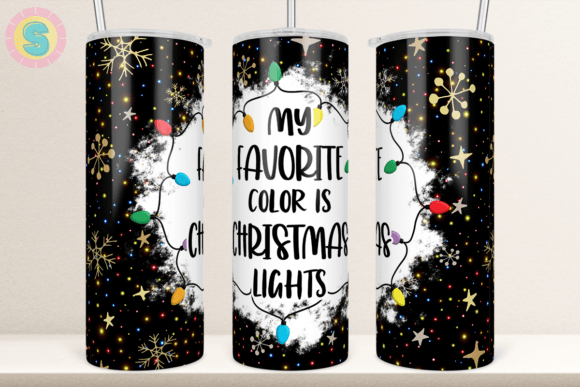
When a new design file lands on my desktop, the first thing I do is imagine it stitched out. Not just on a screen, but in thread, on fabric, held in someone’s hands. That’s the real test. So, opening the Christmas Lights Tumbler Sublimation PNG, I immediately pictured it not on a tumbler, but as an embroidered piece. The whimsical string of lights, the playful snowflakes, the cheerful “My Favorite Color is Christmas Lights” text—it has a festive, friendly personality. It feels like a design meant to spark joy, which is exactly what we want for holiday projects.
The Mood It Creates and Where It Belongs
This isn’t a formal, ornate holiday motif. It’s lighthearted and modern. The layout, with its cascading lights and scattered snowflakes, suggests movement and celebration. For an embroidery project, this translates beautifully into items that are gifts or personal keepsakes. Think of a cozy, fleece-lined sweatshirt for a winter morning, or a tote bag used for carrying holiday market finds. I can see this design embroidered on a child’s apron for cookie-decorating day, or as a centered feature on a pillow cover for a festive living room. The vibe is approachable and nostalgic, perfect for handmade products that feel personal rather than mass-produced.
Real-World Application: The Custom Holiday Tote Scenario
Let’s walk through a real case. A client asks for a custom embroidered tote bag as a Christmas gift. They want something unique, cheerful, and durable. I’d consider this design. The embroidery file’s elements—the lights and snowflakes—would work well as a combination of satin stitch for the text and bulb outlines, and fill stitch for the snowflakes and larger bulb areas. On a sturdy canvas tote, the density would hold up. The bright, contrasting thread colors against a natural canvas would pop. But I’d be thinking practically: the small snowflake details need a clean stitch-out; the thin wire connecting the lights requires precise running stitch or a very fine satin column. On a textured fabric like canvas, using the right stabilizer is non-negotiable to keep those details sharp.
Where This Design Performs Brilliantly
For custom apparel like sweatshirts, hoodies, or knit hats, this design offers a sizable, recognizable focal point. It would translate well into an embroidered patch, applied to a backpack or a jean jacket. For baby embroidery, perhaps on the corner of a holiday-themed blanket, the playful nature fits perfectly. As a small shop product, an embroidered tea towel or apron with this design becomes a lovely, giftable kitchen item. It’s also strong for digital product sellers creating printable mockups or using it within design assets for craft business branding—the clean PNG makes it versatile.
Caution Areas: Fabrics and Finishes
Now, the practical designer notes. This design, with its mix of fine lines and filled areas, needs careful application on certain surfaces. On very thin fabric like a lightweight t-shirt, the stitch density in the snowflakes might cause puckering if not stabilized perfectly. On dark fabric, the intended bright, light colors of the design would need a thoughtful thread palette shift—maybe white and silver metallics for the lights to maintain the luminous feel. The curved surface of a cap presents a challenge: the design’s horizontal flow might need adaptation to fit the crown curve without distortion.
Most importantly, the small text “My Favorite Color is Christmas Lights” is charming, but tiny lettering in embroidery can get lost or become blurry if the hoop size is too small or the stitch settings aren’t optimized. I would absolutely test the design on scrap fabric first, especially checking that text clarity. Also, for products that need frequent washing, like kitchen towels, the density and thread choice must ensure longevity.
Impact on Your Project’s Value and Appeal
Using a design with this much character directly affects the perceived value of your finished product. When stitched cleanly, it looks professional and intentional, building customer trust in your skills. For a creative entrepreneur, it supports brand consistency if holiday joy is part of your shop’s aesthetic. The design is inherently recognizable and engaging, which can draw attention at a craft fair or in an Etsy listing. It feels both handmade and polished, which is that sweet spot buyers love.
Essential Designer Checklist Before You Stitch
- Always test on scrap fabric that matches your final project material.
- Check thread color contrast against your background fabric—run a black and white mockup to check value contrast if needed.
- Review the stitch density in your software preview; adjust if necessary for your specific fabric (e.g., less density for knits).
- Confirm your machine’s hoop size can accommodate the design at the size you want without needing excessive resizing, which can affect detail integrity.
- Inspect the small details, like the snowflake centers and light bulb connectors, in your test stitch-out.
- Use proper stabilizer for your fabric type—this is critical for maintaining the design’s playful clarity.
- Since this is a PNG graphics file, remember it’s a source image. For machine embroidery, you’ll need to digitize it into a suitable embroidery file format. Always confirm licensing before selling finished items or commercializing the digitized file.
The Christmas Lights Tumbler Sublimation PNG is, from a designer’s eye, a strong starting point for a range of festive, heartfelt projects. Its personality is its biggest asset. With practical preparation and an understanding of how embroidery translates a digital graphic into thread, it can become a standout feature on your holiday embroidery projects, bringing that spark of Christmas lights into tangible, stitched form.