A Detailed Look at a Cozy Coffee Table Embroidery Design
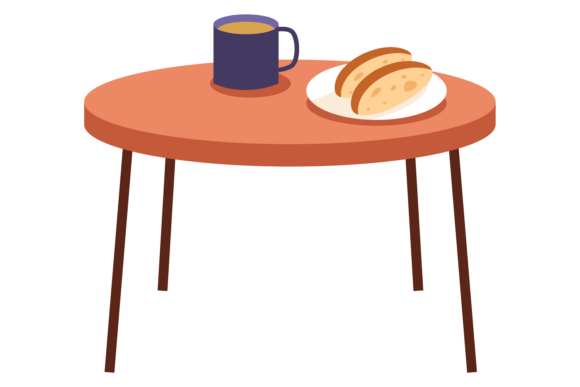
Today, I’m looking at a design titled Coffee Table with Cup and Food. Furnitur. It’s an illustration, a graphics file, and my job is to see if it’s a worthwhile embroidery design for real projects. When a file lands in my library, my first question isn't about the formats—it’s about the stitch. How will this translate from a digital graphic to thread on fabric? What kind of mood will it create on a finished product? Let’s dig in.
The Immediate Mood: Casual Comfort and Homely Charm
The first impression of this design is one of relaxed, everyday comfort. It’s not a flashy logo or a complex scene; it’s a simple coffee table with a cup and some food items. This creates a visual personality that’s friendly, approachable, and incredibly versatile. The detail level is moderate—clear shapes without overly intricate lines—which is often a good sign for embroidery. It won’t get lost in translation from vector to stitch. This design naturally belongs to projects that evoke warmth, home, hospitality, or a simple personal pleasure, like a quiet moment with a snack.
I immediately picture this on a cozy, textured sweatshirt or a canvas tote bag. It feels like a design for a boutique selling handmade home goods or an Etsy seller creating personalized kitchen accessories. The theme isn’t seasonal or niche, which is a strength. It’s a slice-of-life icon that could resonate with a broad audience looking for something understated yet meaningful on their custom apparel or gifts.
Where This Design Would Stitch Up Beautifully
Let’s walk through a real scenario. Imagine you’re preparing a custom order for a client who wants a unique embroidered tea towel or apron as a housewarming gift. They want something that says “home” without being literal. Coffee Table with Cup and Food. Furnitur fits perfectly. The isolated icon is clean and would stitch up with good clarity on linen or cotton.
For crafters and small business owners, here are the project types where I believe this design would perform well:
- Home Goods & Textiles: Pillow covers, blanket corners, kitchen towels, apron pockets. The domestic theme aligns perfectly.
- Casual Custom Apparel: Tote bags, sweatshirts, relaxed t-shirts. It’s a conversation-starting graphic, not a bold statement.
- Personalized Gifts: Think wedding gifts for cozy couples, birthday presents for homebodies, or custom baby items for a nursery (paired with other themes).
- Small Shop Merchandise: For a café-themed Etsy shop or a maker selling “slow living” branded items, this could be a core, repeatable design for patches or caps.
- Digital Product Assets: If you sell digital files or use printable mockups, this clean graphic could work beautifully in previews and listings for your embroidery services.
The design’s strength here is its giftability and recognizability. A customer seeing this on a handmade product instantly gets a warm, inviting feeling. That builds trust and engagement. It feels professional because it’s a coherent illustration, not a clip-art afterthought.
Caution Areas: Where to Be Mindful Before Hooping
No design is universally perfect, and a practical review means pointing out where you might need to plan carefully. Based on the visual layout, here are my notes.
The design has some defined corners and a table with a flat surface. On curved surfaces like caps or hats, that straight line might need some adjustment in your digitizing software to prevent a stiff look. Also, if the food items have very small details, they could become dense stitch areas. On thin or stretchy fabric like a lightweight t-shirt, using a proper stabilizer is non-negotiable to maintain the shape.
While the description mentions a transparent PNG, which suggests potential for dark backgrounds, always test the design on scrap fabric first. Check the thread color contrast. A design with mid-tone colors might get lost on a very dark garment unless you plan a bold color palette. Similarly, for small hoop sizes—think delicate baby clothes or a small patch—you must inspect whether the small details, like the cup handle, will remain clear or become a blur of stitches. Sometimes simplifying a design slightly for a 3-inch hoop is necessary.
Finally, for products that need frequent washing, like kitchen towels or baby clothes, consider using a durable fill stitch for the main elements and avoid overly delicate running stitches for tiny accents. The longevity of the embroidered product affects customer satisfaction.
Visual Appeal and Business Sense: How This Design Adds Value
From a business perspective, using a design like this affects more than just the stitch. It affects your brand consistency. If your shop has a rustic, homey aesthetic, this design reinforces it. For a creative entrepreneur, it’s a versatile asset. You could use it across a product line—an embroidered pillow, a patch on a tote, a small icon on a cap—creating a cohesive look for your craft business or commercial embroidery projects.
Its handmade presentation is charming because it’s inherently illustrative. When stitched, it will look like a deliberate, artistic choice, not just a generic decoration. This elevates the perceived value of the finished product. For an apparel decorator, it’s a design that could appeal to a client wanting something different from the usual florals or slogans.
Practical Steps for the Embroidery Designer
Before you run this machine embroidery design, here’s my suggested checklist. Treat this as your pre-flight routine.
- Scrap Test Always: Hoop a piece of similar fabric and stitch it out. Look for stitch density issues, clarity of small elements, and overall size impression.
- Check Your Backgrounds: Test it in both light and dark fabric mockups, even mentally. Does the design need a border or a background fill to pop on dark material?
- Review the File Formats: The description lists EPS, JPG, SVG, transparent PNG. For embroidery, you’ll likely need a converted machine file (PES, DST, etc.). Ensure your source file is high-quality and scales without distortion.
- Confirm Licensing: This is critical. Before selling finished items or digital products using this design, confirm the licensing terms. Is it for personal use only, or does it include commercial use? Never assume.
- Plan Your Thread: This illustration would likely use a few distinct colors for the table, cup, and food. Plan a palette that works on your target fabric. Consider using a satin stitch for the table top for a smooth finish.
- Match to Product: Be intentional. This design on a baby bib might be odd, but on a “mom’s coffee break” themed sweatshirt? Perfect. Think about the end-user’s story.
In conclusion, Coffee Table with Cup and Food. Furnitur strikes me as a solid, useful graphics file for embroidery designers and makers looking for a versatile, home-themed icon. Its success hinges on your thoughtful application—choosing the right project, fabric, and thread, and always doing that crucial test stitch. When used well, it can create a handmade product with genuine charm and commercial appeal, whether for a one-off personalized gift or a small shop’s best-selling merchandise.