A Watercolor Butterfly Design for Embroidered Style
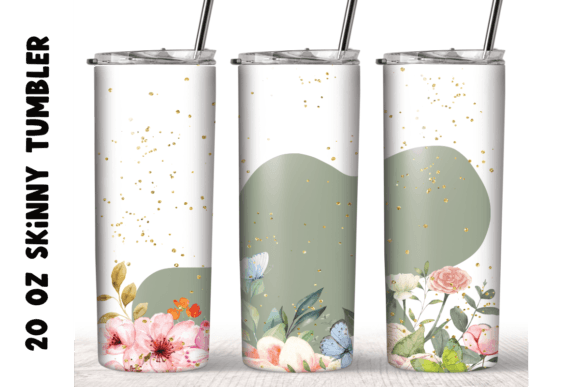
When a new embroidery file lands in my digital library, my first question is always, “What kind of story will this tell when it’s stitched?” It’s not about the pixels on screen, but the thread on fabric. The Watercolor Flower Butterfly Tumbler Wrap design immediately stood out as a piece with a gentle, artistic mood. Its soft, blended colors and organic layout feel less like a rigid graphic and more like a hand-painted sketch, which is a delightful starting point for embroidery.
The Personality of This Watercolor Design
This isn’t a bold, geometric pattern. It’s romantic and airy. The way the flowers and butterfly elements intertwine suggests movement and lightness. For an embroidery designer, that means it naturally leans towards projects where you want to evoke a sense of calm, beauty, or whimsy. Think of a special baby blanket, a delicate pillow cover for a nursery, or a personalized gift like a kitchen towel for a gardener. The watercolor style, with its implied soft edges, translates intriguingly to stitch; it asks for thoughtful thread selection to mimic that blended, painterly effect.
A Real Scenario: Crafting a Boutique Tote Bag
Let’s walk through a real use case. I’m considering this for a custom tote bag for a small shop that sells handmade ceramics. The shop owner wants something elegant and unique, not a loud logo. The Watercolor Flower Butterfly Tumbler Wrap design, at roughly 9.3 by 8.2 inches, offers a substantial focal area. Stitching this onto a natural canvas tote would create an heirloom-quality feel. The design’s tapered and straight file options mean I can adapt it to the bag’s shape without awkward distortion. I imagine customers reacting to the handmade product not just as a bag, but as a piece of wearable art—that’s the value lift a strong embroidery design can provide.
Where This Design Performs Brilliantly
This graphics file shines on projects where its artistic detail can be fully appreciated. For custom apparel like lightweight sweatshirts or linen shirts, the design would become a beautiful statement piece. As an embroidered patch, it could be stunning on a denim jacket or a backpack. For baby embroidery on a romper or a blanket, the soft theme is perfectly aligned. In a craft business context, such as items for an Etsy seller’s holiday gift line or boutique kitchenware like aprons, it adds a high-perceived value through its intricate, gentle visuals.
It’s also a potent digital embroidery file for creating printable mockups. The high-resolution PNG files allow a designer to show clients a realistic preview on a digital product preview before committing thread, which builds tremendous customer trust and professionalism.
Spots to Approach with Care
Every design has its considerations. The watercolor style, with its likely fine details and color transitions, requires attention on certain applications. On very small hoop sizes, some of the delicate floral nuances might lose clarity. Stitching on highly textured fabrics like thick wool or on stretchy fabric without proper stabilizer could blur those soft edges. On dark fabric, the color palette needs to be chosen carefully to maintain contrast and the light, airy mood.
Also, consider the end use. For products that need frequent washing, like tea towels or baby clothes, a dense fill stitch in large areas might be less durable than a simpler approach. The design’s beauty is in its detail, so applying it to curved surfaces like caps might require skillful hooping and stabilization to keep all elements looking sharp.
Practical Notes from the Hoop
My standard advice for any design like this is to test on scrap fabric first. Use the same material and stabilizer you intend for the final project. This lets you review stitch density and check thread color contrast to see if your chosen palette captures the watercolor feel. I always test in black and white mockups as well, to check the structure of the design without color distracting me.
Confirm your hoop size can accommodate the full template comfortably. Inspect the small details in the test stitch—sometimes what looks blended on screen needs a specific stitch type, like a running stitch for fine lines, to translate well. Since this is a graphics file provided for tumbler sublimation, its use in machine embroidery means you’ll be converting or using it as a guide for digitizing. Always confirm licensing for your intended use, whether for personal projects or commercial embroidery, before selling finished items.
The Bigger Picture: Trust and Engagement
Using a design with such a distinct visual personality like the Watercolor Flower Butterfly Tumbler Wrap affects more than just the stitch. It impacts customer trust—they see a cohesive, thoughtful product. It boosts giftability; this isn’t a generic motif. For a creative entrepreneur, it can enhance brand consistency if your shop specializes in soft, nature-inspired items. The design invites a closer look, which increases buyer engagement with your handmade product. In a craft fair setting, an embroidered tote or pillow with this design would likely draw people in for its artistic appeal.
Ultimately, this design is a fantastic crafts asset for makers who want to move beyond simple shapes. It provides a framework for creating something truly beautiful with thread. Approach it with the practical respect any detailed embroidery project deserves—proper stabilizer, thoughtful fabric choice, and a clear plan for its final use. When done right, it will stitch out into a product that feels both professional and lovingly handmade.