Evaluating the Pink Love Hearts Design for Real Embroidery Work
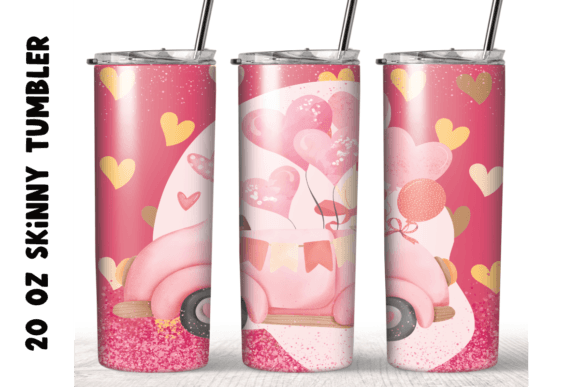
When a new embroidery design lands in my library, my first question is always practical: where does this belong in the real world of stitching? The Pink Love Hearts Tumbler Wrap is a design that immediately presents itself as more than just a graphic; it’s a mood. It’s cheerful, soft, and undeniably sentimental, which tells me it has a specific, valuable place in a crafter’s portfolio.
The Immediate Mood and Visual Personality
Opening the file, the first impression is one of gentle celebration. The theme is clear and sweet, built around a layout of interconnected hearts. This isn’t a bold, graphic statement; it’s a decorative, affectionate pattern. The detail level suggests it’s meant to be a focal point, not a tiny accent. For an embroidery designer, this signals a project meant to evoke warmth and personal connection. I instinctively picture it on items meant to be given or kept close—a personalized gift, a boutique product for a small shop, something that feels handmade and cherished.
Its visual personality is soft and romantic, leaning towards nursery decor, wedding gifts, or everyday items that benefit from a touch of sweetness. It feels like it belongs on fabrics that are cozy or intimate.
Where This Design Performs Best in Practice
Let’s walk through a real scenario. Imagine you’re preparing a custom embroidered tote bag for a client’s gift shop. The shop focuses on heartfelt, feminine products. You load this machine embroidery design and start considering the fabric. On a sturdy cotton tote bag, this design would shine. The full-wrap size offers substantial coverage, making the bag itself a statement piece. The high-resolution details should translate into clean satin stitch outlines and fill stitch areas for the hearts, provided the stitch density is well-calibrated.
Beyond tote bags, this design naturally extends to a range of products where its mood aligns perfectly:
- Sweatshirts and t-shirts: For a soft, personalized apparel item, perhaps for a mother or child.
- Baby clothes and nursery decor: Blankets or pillow covers with this pattern would create a gentle, loving atmosphere.
- Aprons and kitchen towels: Adding a decorative, cheerful element to everyday household items.
- Embroidered patches: This could be stitched as a standalone patch for applique, perfect for adding to caps or bags.
- Pillow covers and tea towels: Ideal for boutique merchandise or craft fair products aimed at a gift-giving audience.
The key is matching the design’s sentimental theme with a product that benefits from that emotional resonance. It elevates a simple item into a personalized gift. For an Etsy seller or small shop owner, this adds value and helps with customer engagement, as buyers often connect with designs that feel heartfelt.
Caution Areas: Where to Use Careful Judgment
No design is universally perfect, and a professional review means noting where a design like the Pink Love Hearts Tumbler Wrap might require extra attention. Given its likely size and detail, here are situations where I’d proceed with caution:
- Very small hoop sizes: If you need to scale it down significantly, the intricate heart details and any small connecting elements might lose clarity or become too dense.
- Highly textured or stretchy fabrics: Think of thin t-shirts or loose knits. The design’s coverage area is substantial, and on stretchy fabric, you’ll need excellent stabilizer to prevent distortion, especially on the curves of the hearts.
- Dark fabric backgrounds: While the pink palette is lovely, on dark fabrics, the thread color contrast becomes critical. You might need to adjust thread choices to maintain the soft, light mood against a dark base.
- Curved surfaces like caps: The straight and tapered files are helpful, but applying a large, detailed wrap design to a curved baseball cap requires careful placement and potentially splitting the design.
- Products needing frequent washing: On items like kitchen towels or baby clothes, the stitch density and stabilizer choice must ensure durability through washes without the design puckering or threads breaking.
These considerations aren’t flaws; they’re the realities of embroidery project planning. Addressing them upfront ensures a finished product that looks professional and lasts, which builds customer trust.
Impact on Professional Presentation and Business Value
From a commercial perspective, using a design like this effectively affects several key areas. For a craft business, the visual appeal of the stitched outcome directly influences perceived value. A clean, well-executed version of this sweet design on a tote bag or sweatshirt looks intentional and high-quality, supporting brand consistency for shops with a romantic or family-friendly aesthetic.
Its giftability is a major asset. In printable mockups for your Etsy listings or digital product previews, it clearly communicates a use-case. Customers browsing for a gift can immediately visualize it on a product. This speeds up buyer decision-making.
For apparel decorators or digital product sellers offering this as a design asset, the design’s clear theme makes it easy to market. It fits into niches like Valentine’s, weddings, baby announcements, or everyday love-themed products. This specificity aids in recognition and targeting your audience.
Practical Notes from the Hoop
Before I’d ever run this for a client or my own small shop product, here’s the checklist I’d follow, born from years of troubleshooting:
- Test on scrap fabric first. Use the same material you plan for the final project. Check how the heart details translate into stitches.
- Review thread color contrast. Don’t assume the pink palette will work on every background. Test it on both light and dark fabric scraps.
- Confirm your hoop size can accommodate the template dimensions comfortably. A tight fit can lead to alignment issues.
- Inspect the small details in the stitched test. Look for any areas where stitch density might be too high, risking fabric pull or thread buildup.
- Use proper stabilizer for your chosen fabric. This is crucial for maintaining the design’s shape on textured or stretchy materials.
- Check whether the design’s licensing permits your intended use. Since it’s described for sublimation, clarify its terms for commercial embroidery if you’re selling finished items.
These steps are the difference between a design that looks good on screen and one that performs beautifully under the needle. They ensure your handmade product reflects the care and professionalism that customers, whether for a holiday embroidery gift or boutique branding, rightly expect.
The Final Stitch: A Design with Clear Purpose
The Pink Love Hearts Tumbler Wrap, from an embroidery designer’s point of view, is a design with a strong and clear purpose. It’s not a generic graphic; it’s a specialized asset for creating products that feel personal, affectionate, and deliberately sweet. Its value lies in that specificity. When matched with the right product—a cozy blanket, a gift shop tote, a baby’s pillow cover—it stitches up into something that resonates. It requires the standard practical considerations of any detailed embroidery file, but its emotional payoff, when executed well, is significant. For creative entrepreneurs and makers looking to add a heartfelt touch to their offerings, it’s a design worth loading into the machine and testing for that perfect, loving project.