The Fall Heart SVG: A Designer's Review for Real Embroidery Projects
When a new embroidery design lands in my library, I don't just look at the preview. I imagine it stitched out, on real fabric, in a real project for a client or for my own small shop. The Fall Heart SVG prompts that kind of immediate practical thinking. It's not just a graphic; it's a potential embroidered product, and its success hinges on how it translates from screen to stitches.
A First Impression of Warmth and Versatility
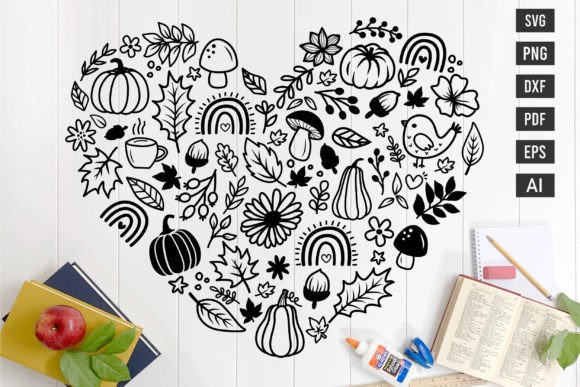
The Autumn Heart SVG design carries a specific, welcoming mood. It's cozy without being cluttered, thematic without being kitschy. The shape and layout suggest a design that would stitch out cleanly, with a balanced level of detail that's suitable for a range of projects. Its visual personality feels like it belongs on a homemade gift or boutique product—something meant to evoke a sense of season and sentiment.
Where This Autumn Heart Naturally Belongs
In my experience, a design like this finds its home on tactile, everyday items. I picture it on a custom embroidered tote bag for a fall market, a cozy sweatshirt for a personal client, or a charming pillow cover in a handmade shop. It has the right scale and charm for baby items like a onesie or a nursery blanket, where the theme is sweet and soft. As a embroidered patch, it could be incredibly versatile, applied to aprons, caps, or tea towels. For holiday gifts or personalized products, this heart offers a ready-made warmth that customers respond to.
The included file formats—SVG, PNG, DXF, PDF, EPS, AI—are a significant practical advantage. This means I can seamlessly move from my embroidery software to creating printable mockups for my Etsy listings or preparing it as a digital design asset for commercial embroidery projects. The high-resolution 300 dpi specification is crucial for maintaining clarity in those previews and ensuring my craft business presents a professional image.
Considering the Stitching Reality
For a real-life scenario, let’s walk through preparing a custom embroidered fall-themed sweatshirt for a client. The Fall Heart SVG would be my core motif. My first thought is stitch density and fabric texture. A mid-weight sweatshirt fabric can handle a design with moderate detail, but I’d be cautious about very dense fill stitch areas that might pucker or feel stiff. The design’s apparent simplicity suggests it would embroider smoothly, but I always test on scrap fabric first, using the same stabilizer I plan for the final project.
Thread color contrast is everything here. Autumn implies rich, earthy tones. On a cream or oatmeal-colored sweatshirt, golds, rusts, and deep greens would make this heart pop. On a dark fabric background, like a charcoal grey, I’d need to choose lighter, vibrant threads to ensure the same visual appeal and stitching clarity. This directly affects the product’s perceived value and the customer’s trust in my handmade presentation.
Caution Zones: Where to Use This Design Carefully
Not every project is ideal. For small hoop sizes, any intricate corners or tiny decorative accents within the design might lose definition. Embroidering on thin or stretchy fabric, like a lightweight t-shirt, requires extra attention to stabilizer to prevent distortion. Similarly, on curved surfaces like caps, the overall shape of the heart needs to be evaluated for placement—it should sit comfortably on the curve without awkward gaps.
For products that need frequent washing, such as kitchen towels or baby clothes, I consider the stitch integrity. A clean, well-defined design with good stitch coverage will hold up better over time, maintaining that brand consistency for a small shop product. I’d also inspect any small details in the file preview to ensure they aren’t so fine that they’d fray or blur after several washes.
The Impact on Your Business and Customer Engagement
Using a well-executed design like the Autumn Heart SVG elevates your work. It affects buyer engagement immediately. On an Etsy listing, a clean embroidered preview of this heart on a tote bag mockup looks professional and giftable. It conveys a sense of recognition—customers instantly understand the theme and emotion. For a creative entrepreneur, this reliability in design quality builds a foundation for a cohesive product line, say a series of seasonal heart-themed items.
It’s also important to confirm the licensing terms for this design, given it’s described as ready for "print for P." Before selling finished items or incorporating it into commercial embroidery projects for clients, I must understand the permitted uses. This is a non-negotiable step for professional operation.
Practical Notes for the Embroidery Designer
- Always test stitch it out. Use a scrap of your target fabric to check for any issues with satin stitch borders or fill stitch areas.
- Evaluate for both light and dark backgrounds. Create simple black and white mockups to see how the silhouette holds up.
- Match your thread palette to the season. Autumn hearts benefit from warm, contrasting colors against the garment.
- Consider the end product. Is it a decorative pillow cover or a frequently-washed apron? Your stabilizer and stitch choices will differ.
- Use the multiple file formats wisely. The PNG or PDF can be perfect for creating attractive product graphics for your online shop.
- Verify the specifics. While the product includes key formats, always confirm the exact stitch count, recommended hoop size, and machine compatibility with your own software before starting a production run.
Ultimately, the Fall Heart SVG presents itself as a straightforward, emotive design asset. Its strength lies in its apparent adaptability. From a personalized gift to a small shop’s fall merchandise line, it has the potential to stitch out into a product that feels considered and crafted. That’s the mark of a useful embroidery file: it supports your creative process and ends up as a finished product that someone will genuinely appreciate.